
Generating qualified leads consistently is one of the biggest challenges roofing companies face. It doesn’t matter whether you deal in residential or commercial roofing, your business can’t stick around for long without having a well-built and well-oiled lead generation machine.
Roofing companies often experience frequent famine and feast cycles, and the burnout during the spring and autumn seasons can hit as severely as the lack of business during off-season months. The only way out of this dilemma is to have a pipeline continually filling with leads throughout the year. In this article, we will share several tips that will help you build your own lead generation machine and help you get clients regularly.
Understand Your Buyer’s Persona
Free Guide: How to Switch to Commercial
So, create a mental picture of your ideal buyer by answering the question “Who would like to order your services?” In marketing jargon, this exercise is known as creating a buyer’s persona and these personas have helped brands generate incredible levels of revenue.
Know Their Pain Points
After zeroing in on your ideal client, the next step is to understand their pain points so you can properly market to them. Just keep in mind that today’s buyers have an ocean of knowledge readily accessible to them. It’s important that they get more than just good information from you as what they ultimately want is superior customer service. Give them a solid set of reasons to believe you can give it to them.
Research the Competition and Identify Your Main USP
In addition to researching your ideal clients, you will also need to carefully study your competition so you can differentiate your roofing company from the crowd. Your unique selling proposition (USP) needs to make you stand out from everyone else and immediately appeal to your target client base.
Leverage Content Creation and Promote Effectively
Contractors join our network to receive:
- Support from Fellow Roofers
- Shared Marketing Strategies
- Group Discount Purchasing
- Assistance with Projects
Once you have followed the above steps, now it’s time to explain your USP and value proposition to the intended audience by using engaging content. You’ll need to craft appealing content that will explain how your roofing services are going to solve the problems faced by your prospective clients.
While most businesses nowadays realize the importance of content creation, social media, etc., only a fraction have realized that content is of no use if it’s not promoted to the target client base. As part of the buyer persona exercise, you’ll also need to identify the advertising mediums that are most frequently used by your client base. For homeowners looking to replace roofs, Instagram or Facebook might be the ideal medium, but if you work with large businesses then LinkedIn might prove to be of better value as it’s being used by decision-makers and C-suite executives.
Prep Prospects for the Ultimate Conversion
You will need to understand a buyer’s journey from the top of the sales funnel (attracting visitors) to the bottom (turning them into a paying customer). As you move through the stages of getting contract information, presenting helpful material, answering questions and handling objections, you will want a plan to drip-feed information to the prospective buyer with content designed for that specific stage.
Build New Partnerships
You can build new partnerships with other businesses in related industries such as real estate developers, real estate agents, property managers and commercial electricians who often deal with buyers dealing in commercial buildings. These new relationships can lead to a stable supply of qualified leads that will help you break the feast and famine cycle.
Word-of-Mouth Marketing
It’s rightfully said that word-of-mouth marketing is the best form of marketing. It has always been this way. In the digital age, this means customers trust testimonials and online reviews more than any content produced or commissioned by you. You can ask your past customers to review you on Google, Facebook or any other channel of your choice. Few people realize how effective it can be. How many reviews do you have posted online?
Conclusion
Generating leads on a constant basis requires constant effort. This should be expected. However, by following the tips mentioned above, you can turbocharge your own lead generation machine that’ll not only generate regular business for you but will also help you scale in revenue and profitability.
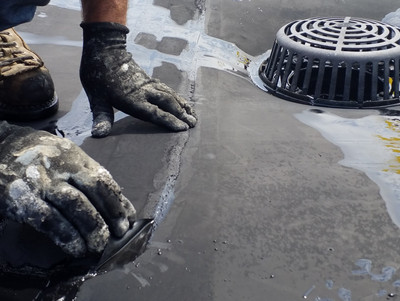
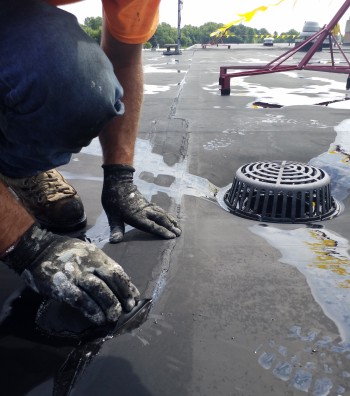 Seams are critical to the integrity of any single-ply roof. Whether they’re heat-welded (TPO, PVC) or adhered (EPDM), seams are a potential weak spot; especially if not installed properly or subjected to years of UV exposure.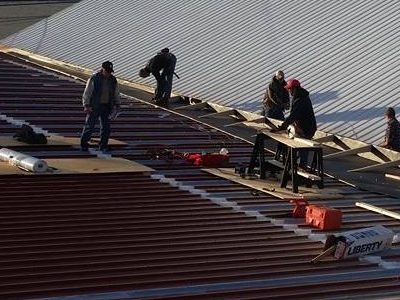
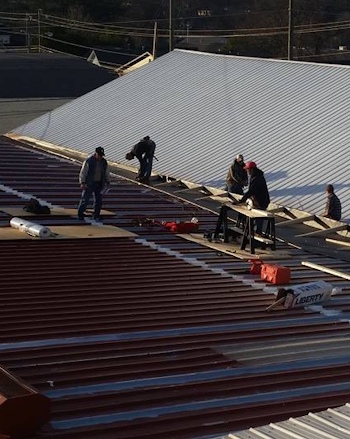 Standing Seam Roofing: Standing seam roofs are among the most popular varieties of steel roofs in use today. Standing seams conceal the fasteners used to bind steel sheets together, which is ideal for rainy areas as there’s very little chance of a leak, even after a severe rain shower or hailstorm.
 Measuring roof area and preparing an estimate are all essential activities for securing a roofing job, and these tasks consumed a lot of time in the pre-digital era. Thanks to apps and software available now, an incredible amount of time can be saved on measuring roofs and preparing an estimate.
 In today’s competitive roofing market, it can be quite a challenge to be noticed. While every entrepreneur knows the struggle of acquiring and retaining customers, standing out from the crowd can be hard. Consider one of the most powerful ways to stand out: Google Reviews!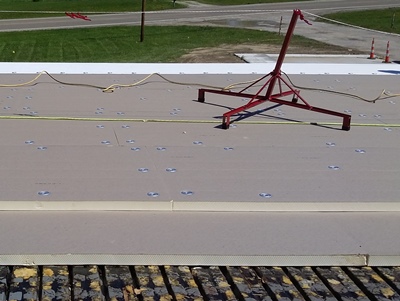
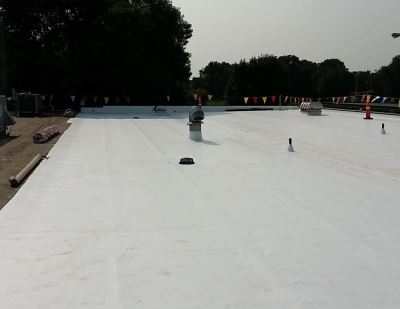 TPO roofing systems have also become a favorite among roofing contractors throughout the country, and for good reason. They are a cost-effective roofing system that can deliver the long-term protection buildings require while still being easy to install. A few other key benefits they provide are:


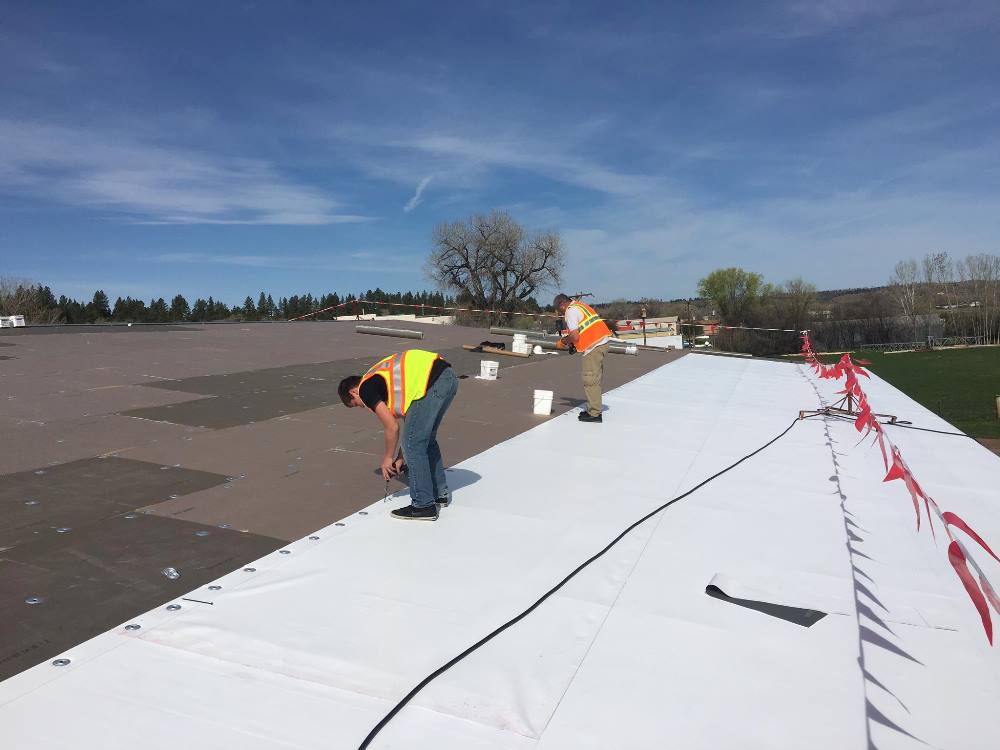
 So, you’re in the market for a new commercial roofing system. You start talking with a roofing contractor and he begins with throwing around terms like PVC (I thought that was a term for pipes?) and TPO (some new brand of toilet paper?). How do you translate that into what product works best for you?
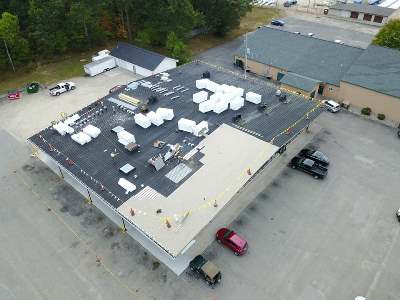 TPO (thermoplastic polyolefin) is made from rubberized materials, generally a blend of polypropylene plastic and ethylene-propylene rubber. These sheets come in various thicknesses, ranging from 40mm to 100mm, with 45mm to 65mm being the most common for roofing applications.
 PVC (polyvinyl chloride) is the 3rd most produced synthetic plastic in the world. In its original form, it is the rigid white plastic that you’re familiar with in plumbing and other applications. With the addition of “plasticizers”, it becomes the flexible version used in single-ply membrane systems.
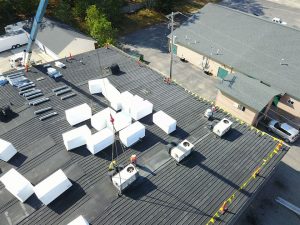 The roofing industry is a lucrative industry, but without proper safety, you will set your company up to fail. Your employees are your greatest resource. Without them, your company could not exist. This also goes for your clients, without them, you would be out of business sooner than you started. Your safety plan should focus on keeping both your employees and your clients safe.